


Prostatitis pills are the basic and primary remedies for any form of the disease.They contribute to the fastest recovery of the patient, and their spectrum of effects is aimed at all elements of the development of the disease.
The most important thing when choosing drugs for the treatment of prostatitis is that they must be prescribed by a doctor.A qualified specialist who determines the treatment purely individually, taking into account the interaction of prostatitis tablets with other drugs prescribed for men, taking into account the side effects and the effect of the drug on the whole body.
Not only the disease of the prostate itself can cause pain and mental discomfort, but the wrongly chosen medicine can also cause harm: it can cause an allergic reaction, the deterioration of the reproductive function, or an insufficient erection in a man, which is one of the symptoms of impotence.
Medicines used to treat prostatitis fall into the following main groups and are taken in combination:
Antibacterial drugs.The doctor is the first choice when treating the disease, especially its acute form.Its purpose is to destroy the causative agent of the disease, which is identified on the basis of laboratory tests of prostate secretions.They must freely penetrate the tissue of the prostate and cause a high concentration of substances in it, therefore the course of antibiotics is at least 4 weeks;in case of severe pain, antibacterial drugs are administered intravenously.
Alpha-adrenergic blockers.Prostatitis tablets belonging to this group are intended for men who have impaired urination.They relax the smooth muscle fibers of the prostate and bladder, relieve sphincter spasms, improve the flow of urine and semen, reduce the number of urges and reduce pressure on the bladder.
Muscle relaxants.Their effect is similar to alpha-blockers, but they are directed at the perineal area, which is constantly increased in the case of prostatitis.Reduce pressure on the pelvic area and reduce pain.
Pain relievers.It relieves pain in the lower abdomen.The dosage should be checked by a doctor.
Phytotherapy drugs.It is based on natural herbs.They reduce the swelling and inflammation of the prostate, prevent stagnation, and restore the outflow of physiological fluids.Pumpkin seeds, creeping palm fruits and sabal-based preparations are popular.
Hormonal drugs.Its purpose is to reduce the level of testosterone, which promotes the growth of prostate tissue, and to normalize the general hormone level.
Comforting.It is intended for patients who suffer from depression due to a decrease in the quality of life, including sexual life.
Vitamins.It is necessary for the general strengthening of the immune system, which is weakened by both the disease and the treatment process.
Essential drugs for the treatment of prostatitis and prostate adenoma
From a medical point of view, there is no best cure for prostatitis, which is obvious, since this or that drug is aimed at one or more causes of the disease, or only at one form of the development of the disease:
In the case of an acute bacterial form caused by Escherichia coli bacteria, it is necessary to take antibacterial drugs belonging to the fluoroquinol group.
The non-bacterial form of prostatitis, even taking into account that no infection has been detected, is still treated with antibiotics, as specialists have seen a reduction in pain syndromes in patients.
The effective cure for prostatitis is different for each patient, but there are many drugs known from advertising and most frequently requested in pharmacies, whose purpose is to improve urination, influence metabolism and the microcirculation of the prostate.It is most often prescribed to treat chronic prostatitis and benign prostatic hyperplasia.
Drugs for the treatment of prostate adenoma are mainly androgens, which simplify the urination process by increasing the functional capacity of the detrusor.
There are many other drugs for the treatment of prostatitis, including the treatment of prostate adenoma, but you must remember that these drugs should be taken only as prescribed by the doctor, so that self-medication does not lead to deterioration of health.
Drug treatment of prostate adenoma (more precisely, benign prostatic hyperplasia) involves the following tasks:
- stop the proliferation of tissues and nodes and, if possible, achieve reverse development;
- relieves inflammation and swelling of the prostate;
- reduces pressure on the urethral canal to normalize urination;
- prevents kidney dysfunction.
Medicines for the treatment of prostate adenoma, which have an evidence-based database of their effectiveness, are prescribed by a urologist after a complete examination of the patient.Only a specialist can decide how to properly treat an adenoma.
Men make a big mistake when they follow the "proven" recommendations of friends and advertise completely unknown drugs.You cannot participate in the healing process on your own.You should always remember that cancer can have similar symptoms.
Which drugs are considered the best?
Drug treatment of prostate adenoma is prescribed at the same time:
- with dietary recommendations;
- prescribing physical exercises;
- with the help of massage.
The result can be well maintained with complex therapy.It takes a long time, requires patience and repeated courses.Medicines are prescribed:
- in tablets;
- injections;
- rectal cones;
- microenema.
Drug treatment does not lead to the radical destruction of the adenoma, but it can be effective in the first and second stages of the disease, when there are no kidney complications.If the hyperplasia has reached a large size, only surgical intervention can be an effective remedy.
Sometimes the choice of conservative therapy is determined by the patient's fear of preserving erectile function and the possibility of procreation.If the patient's condition is serious due to concurrent pathology, the attending physician may not recommend surgery.
These drugs include two groups of drugs:
- Alpha-receptor blockers - relieve muscle spasm of the urethra, dilate it, making it easier to pass urine.
- 5-alpha-reductase inhibitors - inhibit the action of an enzyme that promotes the accumulation of dihydrotestosterone, which activates the proliferation of prostate cells.
Medicines for the treatment of prostate adenoma in men have a symptomatic effect, consolidate the effect and alleviate the negative consequences of the disease.These are:
- anticonvulsants;
- pain relievers;
- anti-inflammatory drugs;
- decongestants;
- complexes of vitamins and microelements;
- immunomodulators to support the body's defenses.
Taking into account the advanced age of patients with adenoma, before treating prostate adenoma with drugs in men, the doctor should consider their negative effects on other organs and systems.The male body ages earlier than the female body.Rather, it deals with atherosclerotic changes.
Characteristics of drugs belonging to the group of α-receptor blockers
The group of drugs in their chemical structure is represented by α1-adrenergic receptor antagonists.It has been established that this type of receptor is predominantly:
- in the neck of the bladder;
- prostate capsule;
- posterior urethra;
- the composition of the stromal tissue.
They represent target "platforms" for receiving signals from nerve fibers.By blocking the "receiving" surface, the muscle contraction caused by the nerve impulse in the desired area can be counteracted.
Medicines for the treatment of prostate adenoma in men belonging to this group can be divided into:
- super selective;
- selective.
Men treated with α1-blockers experience a freer outflow of urine from the bladder.This is accompanied by:
- reduction in the severity of urethral compression symptoms;
- increasing the speed of the beam;
- a decrease in the amount of residual urine.
Characteristics of the effect of drugs belonging to the group of 5a-reductase inhibitors
Reduced activity of the 5α-reductase enzyme interferes with the conversion of testosterone into dihydrotestosterone.Medicines in this group are treatments for prostate adenoma, which can cause the hyperplastic gland to shrink in volume.Thus, the mechanical obstruction and compression of the urethra is reduced.
It is prescribed to patients with prostate growth larger than 30-40 cm3.The result is especially noticeable in the early stages of the disease.The duration of the treatment is long, at least six months.Only long-term use will reduce the volume.The result of the therapy is the absence of reasons for surgical treatment in half of the patients.
The negative properties of drugs belonging to this group are as follows:
- decreased sexual desire;
- occurrence of erectile weakness;
- a decrease in the blood concentration of PSA (prostate-specific antigen), which is used to diagnose prostate cancer.
Herbal preparations
Medicines derived from plants contain many active biological substances.Their effect is much weaker than the above remedies.Urologists regard it as a supplement, a symptom, which makes it possible to influence the patient's immunity.
It is important that they accumulate in the tissues of the prostate and endow the urinary tract with bactericidal properties.The effectiveness of these funds has not been reliably confirmed.
Drug treatment courses are long, lasting 4-5 months.
Other symptomatic agents
To eliminate pathological changes in the tissues of the prostate and urinary tract, doctors use symptomatic remedies that do not have a direct effect on the prostate gland.Anticholinergic or antispasmodic drugs are prescribed to relieve spasmodic contractions of the urethral canal and bladder neck.
Belladonna derivatives and Belladonna suppositories have the most pronounced effect.Medications help relieve pain and tension in the bladder muscles.It is only prescribed by a specialist in a limited dose (remember that isomatonia occurs in stages II-III of the disease).
In order to reduce the swelling of the prostate tissue, diuretic groups of duck diuretics are recommended.Do not use products that irritate the urinary system.If there is a risk of inflammation of the bladder or kidney, the doctor prescribes antibiotics to treat the adenoma.These drugs also eliminate the symptoms of prostatitis that often accompany prostatic hyperplasia.
Most commonly used antibiotics:
- cephalosporin series;
- aminoglycosides;
- fluoroquinolones.
In case of severe inflammation, a combination of anti-inflammatory drugs should be used.The presence of signs of renal failure should be considered.If chronic organ failure occurs, aminoglycosides and tetracyclines are contraindicated due to their toxic effect on the renal parenchyma.
In order to activate the defense, patients are prescribed vitamin and microelement complexes.They help to restore the metabolism in the tissue of the prostate gland, reduce oxidation and improve blood circulation.
Symptomatic therapy should not be equated with specific treatment of the tumor.Advertising information, as experience shows, can deceive the patient's hope of a full recovery and force him to make significant financial expenses.However, this misses the time needed for conservative therapy.
The Chinese urological patch for prostate adenoma is best left to the Chinese themselves for treatment.So far, there are no convincing data on its effectiveness.The set of herbs given in the instructions cannot penetrate the tissue of the prostate.
How beneficial is herbal treatment?
Herbs for prostate adenoma should be used with caution.Healers and herbalists who know their stuff never insist on the most effective measure of herbal recipes.Nutritionists agree on popular recommendations for inclusion in patients' diets:
- parsley;
- Luke;
- flaxseed, pumpkin oil or fruit juice.
The list of plant materials useful for making decoctions and infusions includes:
- hazelnut;
- poplar bark;
- wheat grass;
- hemlock;
- horse chestnut;
- St. John's wort.
The properties of celandine are known in the treatment of warts and other skin formations (papillomas, calluses, cracks).
All parts of the plant are poisonous and should be handled with care.In the treatment of prostate adenoma, it is important to:
- antimicrobial;
- anti-tumor;
- diuretic;
- antispasmodic effect.
It is better to buy celandine balm and juice ready at the pharmacy.It should not be forgotten that in case of long-term use and overdose, intestinal dysbiosis with diarrhea, nausea and vomiting, and in severe cases convulsions, hallucinations, dizziness and fainting are possible.
Additives for sitz baths and micro-infusions are made from herbal decoctions.They help with urethral pain and spasms.We recommend the well-known anti-inflammatory plants in the form of medicinal tea:
- lingonberry (berries and leaves);
- chamomile flowers;
- birch sap and buds;
- knotweed;
- licorice.
To solve the question of the complete therapy of prostatic hyperplasia, the doctor must take into account:
- the stage of the disease;
- age of the patient;
- concurrent diseases of the elderly.
Drug therapy is used by surgeons in the preoperative and postoperative period in order to consolidate the effect and prevent recurrent growth of nodes.Patients should trust the prescriptions of experienced professionals and should not self-medicate.
Effective drugs and remedies for prostatitis in men
Medicines for the treatment of prostatitis are different and are selected according to the individual physiological characteristics of the patient.Statistics show that this disease is quite common and usually has serious consequences.

Outpatient treatment does not help with prostatitis, although there are rave reviews on forums about wonderful folk remedies.Of course, the usefulness of herbs in this disease has been proven several times, but only if a comprehensive health course is taken.
What is prostatitis
Most often, doctors recommend drugs that relieve pain and inflammation.They are undoubtedly effective and produce results even with long-term use.However, it has been established that their effect is enhanced if, in addition, you perform special exercises, follow a diet and other specialist prescriptions.
Medicines for the treatment of prostatitis promote a quick recovery.The problem is that many men don't take into account the little things like minor pain when urinating or in the perineum.And prostatitis progresses rapidly and gradually turns into a chronic form.
The presence of chronic prostatitis presents a difficult task for urologists, as it is not easy to eliminate this disease at this stage.In this case, the drugs for prostatitis are slightly different from those prescribed for acute pathology.
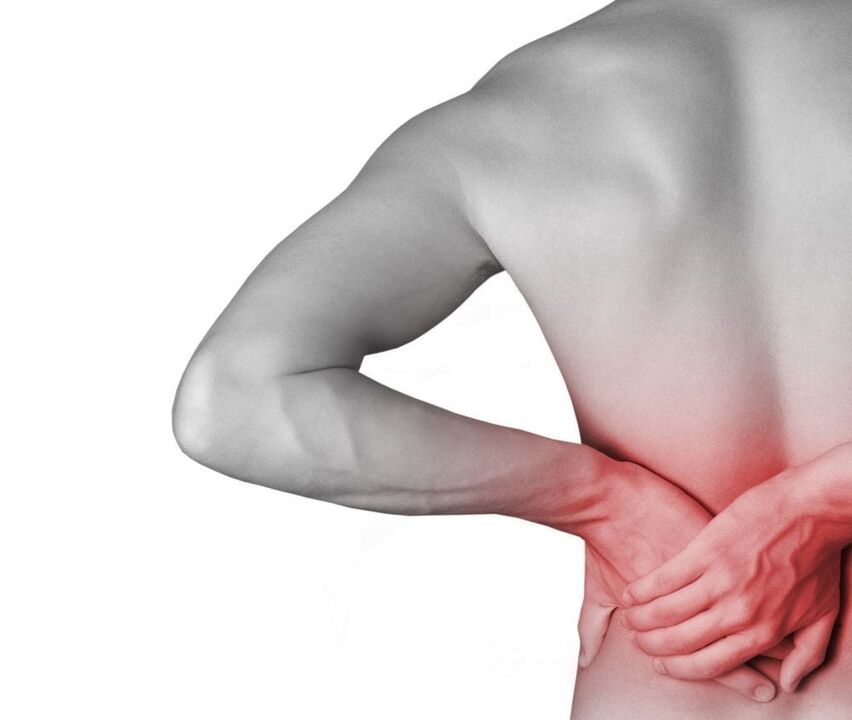
Prostatitis can be infectious and common, acute and chronic.The trouble is that sometimes the best remedies are powerless.And that's why the patient himself is primarily to blame.The negligent attitude of men to their health often has irreversible consequences.
The number of people suffering from the disease increases by several percent every year.In addition, the disease was often observed in young people aged 20 years and older.According to statistics, the disease is diagnosed in 8% of the total number of men living on our planet.
Prostatitis is inflammation of the prostate gland.The danger of this disease is that it takes some time to become chronic.Sometimes it is impossible to get rid of the disease completely (if the treatment is not started in time), and infertility or other derivatives of the disease occur.
Chronic prostatitis: symptoms, causes, complications
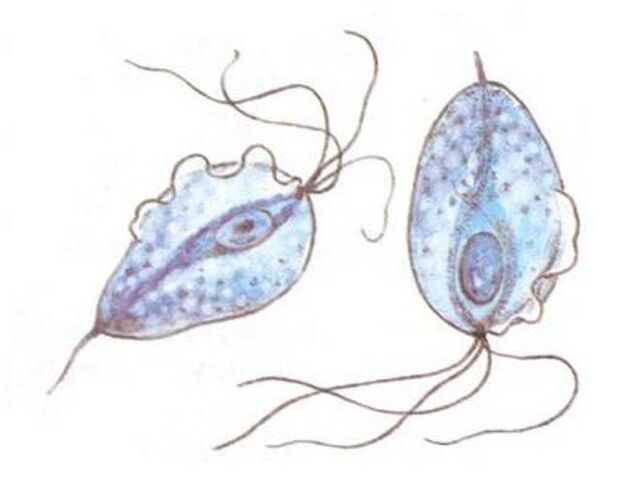
The presence of chronic prostatitis in men significantly complicates their lives.
Medicines that were able to stop the progression in the past are not helping now.In this case, more serious drugs are prescribed, which in turn have side effects.
To avoid overdoing things, you need to pay more attention to your health.
So what causes prostatitis?The main cause of prostatitis is promiscuity.Infections such as trichomonas are spread through sexual contact.
Another important factor will be the man's sedentary lifestyle.

Hypothermia and bad habits also cause prostatitis (almost 95% of young guys smoke and drink alcohol).Repeated constipation and chronic injuries of the perineum are all causes of the development of pathology.
Prostatitis itself is not as terrible as its consequences.Depending on the characteristics of the male body, both prostate adenoma and infertility (as described earlier) may occur.
Prostatitis affects men who have the following symptoms:
- frequent and sharp pain in the lower abdomen during urination;
- long-lasting pain in the perineum, scrotum;
- sexual intercourse becomes short-lived and is accompanied by a deterioration of erection;
- complete (periodic) absence of spontaneous morning erection;
- difficulty urinating, the stream of urine is much thinner.
Treatment methods of chronic prostatitis
First of all, the basis of treatment is medicines (antibiotics, hormonal agents, phytotherapeutic agents), and secondly, traditional medicine (decoctions, tinctures).Self-massage, physical therapy, electrical stimulation, hormone therapy, and diet will also be helpful.Exercise therapy is also recommended, but only those exercises recommended by the doctor should be performed.
It would be advisable to use so-called grandmother's recipes.But before using folk remedies, ask your doctor if they are harmful to you.
A good remedy in the fight against chronic prostatitis is the common pumpkin seed.It must be twisted through a meat grinder, honey added and rolled into balls.Then put it in the fridge and consume 2 balls 30 minutes before a meal.
Aspen bark also helps.To prepare the tincture, this bark must be ground and added to 200 ml of vodka.Leave it on for 2 weeks, then drink 20 drops diluted with water.The duration of the treatment is 2-3 months.
In addition to medicines and tinctures, follow a diet for this pathology.There is a list of foods that should not be eaten during prostatitis.Includes:
- spicy, marinated, salted, canned foods;
- cabbage (white) and legumes;
- animal fats, fatty soups, broths;
- cocoa, coffee, carbonated drinks, strong tea (it is logical to assume that alcohol is contraindicated);
- bakery products;
- radishes, spinach, sorrel, radishes.
Now you have an idea about the foods that should be excluded from the diet during the treatment of chronic prostatitis.

what can you eatFood intake should include:
- fresh herbs, vegetables, fruits;
- fermented milk products;
- ocean fish;
- lean meat;
- light (low-calorie) soups;
- seafood;
- pasta (from durum wheat) and cereals;
- vegetable fats (such as olive oil);
- dried fruits (dried apricots, prunes);
- coarse bread.
How does the chronic form of prostatitis differ from the acute form?

Their symptoms are similar, but the intensity of the manifestation is different.For example, acute prostatitis is accompanied by an elevated body temperature (39-40°C), the man feels hot or cold.
Urination becomes painful and difficult.Swelling of the prostate appears, which can cause urinary retention.
The presence of chronic prostatitis is caused by the calm, asymptomatic course of the disease.
Aggravation appears unexpectedly when the process has already begun.It often ends with surgery.Otherwise, it leads to vesiculitis, impotence and premature ejaculation.
Drug treatment of prostatitis
The treatment process for inflammation of the prostate consists of drugs that have a wide range of effects.
Antibacterial drugs are used to eliminate the inflammatory process of the prostate tissue.Antibiotics penetrate there and neutralize any bacteria.In fact, the treatment is based on such drugs, since they are used for a longer period of time than others.In order to achieve results, you must strictly follow the treatment regimen prescribed by the doctor.
Antibacterial agents include drugs such as penicillins, cephalosporins, aminoglycosides, tetracyclines, and macrolides.As a general rule, after an examination, the doctor will check the sensitivity of the bacteria to several antibiotics.It is possible to change several medications during a wellness course.This happens because bacteria are different, so they cannot be killed with a single agent.
Medicines are needed to treat the disease, but none should be used without permission.
Hormonal drugs are also prescribed for prostatitis, which bring hormone levels back to normal, eliminating the imbalance.This reduces the amount of glandular tissue in the prostate gland and the inflammation stops.
Among the most active drugs against prostatitis are tetracyclines.The only thing this drug is powerless against is E. coli and staphylococci.
Prevention of prostatitis
Prostatitis can be cured with medicines and various traditional medicines, but it is always advisable to prevent the disease.For this purpose, there are preventive methods that protect you from such a disease.
The first thing you need to know is not to let your body become hypothermic (don't get in the habit of sitting on cold objects).After that, have a regular sex life and come for a check-up several times a year.Eat right and, if possible, take part in a spa (if you have already suffered from the disease).Be healthy!